


Monsoon season is a relief from the heat, sure, but it brings its own set of problems for your car.
Rainwater, mud, road debris, constant moisture, all of it can leave marks that don't come out if the paint isn't protected properly. A PPF Coating in Ahmedabad is genuinely one of the smarter ways to keep a car looking new through the wet months. At NextGen Auto Care, we help owners protect their vehicle's paint from everyday wear. Knowing how Paint Protection Film actually works can save you from paint repairs that end up costing a lot more later.
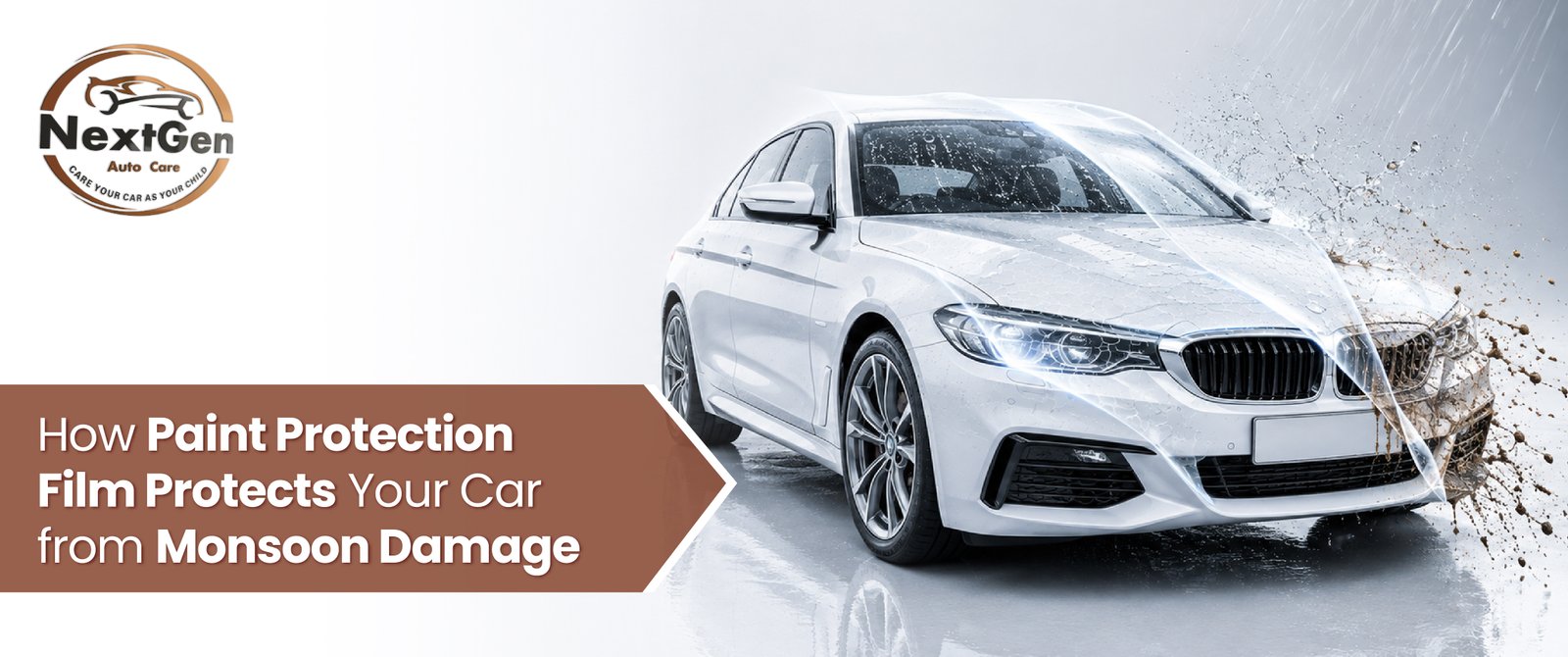
Why Monsoon Weather Can Damage Your Car
A lot of people assume rainwater is harmless. It isn't, not really. Rain carries dust, pollutants, and acidic particles along with it, and when that mix sits on your car's surface, it slowly eats away at the paint underneath.
Common monsoon problems include:
- Water spots that turn stubborn if left too long
- Mud that scratches the paint the moment you try wiping it off
- Small stones hitting the body while driving
- Tree sap and bird droppings sticking to wet paint
- Moisture dulling the paint's original gloss over time
Without real protection, even a fairly new car can start looking worn within a couple of seasons.
What Is Paint Protection Film?
PPF, as it's usually called, is a clear protective layer applied directly over your car's painted surfaces. It sits between your vehicle and the elements without changing how the car actually looks.
Modern film is built to be almost invisible while still standing up to scratches, chips, stains, and whatever the weather throws at it.
How Paint Protection Film Protects Your Car During Monsoon
Stops Water Stains Before They Become Permanent
Rainwater tends to leave mineral deposits behind, and if those sit for a few days, you're looking at water spots that don't wipe off easily anymore. PPF keeps rainwater from touching the paint directly, which makes cleaning after every drive a lot less of a chore.
Protects Against Mud and Dirt Scratches
Monsoon roads bring mud, sand, tiny stones, the works. Even just wiping a dirty surface with a cloth can leave swirl marks if you're not careful. The film absorbs a lot of that minor abrasion before it ever reaches the actual paint underneath.
Reduces Damage from Road Debris
Wet roads kick up gravel and small stones at speed, and that hits the car harder than people expect. A good PPF layer cuts down on the chips that usually show up on the bonnet, bumper, mirrors, and side panels.
Makes Cleaning Faster
Dirt just doesn't stick to the film the way it sticks to bare paint. A gentle wash clears most of the mud and road grime without needing the kind of aggressive scrubbing that ends up damaging paint over time.
Signs Your Car Needs Paint Protection Before Monsoon
Your car's probably a good candidate for PPF if:
- You're driving through city traffic daily
- It's parked most of the time outdoors
- You're on the highway often
- There are already a few minor scratches
- You just bought the car recently
- Resale value actually matters to you
Getting protection applied before the season starts is always going to work out better than repairing paint damage after the fact.
How Professional Installation Makes a Difference
The film itself only does half the job, installation quality matters just as much.
A trained technician preps the vehicle properly, clears off contaminants, and applies the film with real precision. That process is what lets the film bond correctly while staying smooth and close to invisible.
Professional installation also cuts down significantly on peeling or the film wearing out too soon.
Simple Tips to Maintain Your PPF During Monsoon
A handful of habits genuinely help the film last:
- Wash the car regularly after heavy rain
- Get bird droppings off as soon as you notice them
- Skip harsh cleaning chemicals
- Dry with a soft microfiber cloth, not anything rough
- Book regular inspections if you're covering long distances often
Small steps like these protect both the film and the finish underneath it.
Final Thoughts
Monsoon weather can leave damage on a car that doesn't just wash off, not if the paint's sitting unprotected through the season. Getting Paint Protection Film applied before the rains hit helps prevent scratches, stains, stone chips, and that gradual loss of shine, keeping the car looking newer for a lot longer. If dependable protection and expert installation are what you're after, NextGen Auto Care offers professional work that helps safeguard your investment through every season, not just the wet one. You can also call 9016588843 to book your service.
Frequently Asked Questions
It does, and that's really where it earns its keep. The barrier it forms cuts down on water stains, scratches, and the kind of chipping road debris causes once the rains actually start.
Not completely, nothing really stops every stone, but it noticeably reduces the damage, especially in spots that take the most hits, the front bumper and bonnet mostly.
Honestly, it varies quite a bit, film quality, how well it was installed, how it's maintained afterward. Several years is a fair general expectation though.
For actual protection, it's not really a close comparison. Wax gives you shine for a while, but PPF is physically standing between your paint and scratches, chips, everyday wear.
Usually the bonnet, front bumper, fenders, mirrors, doors, and side panels, basically wherever the car takes the most exposure day to day.